Jesus Thinks I'm to Die For: Embroidery Review
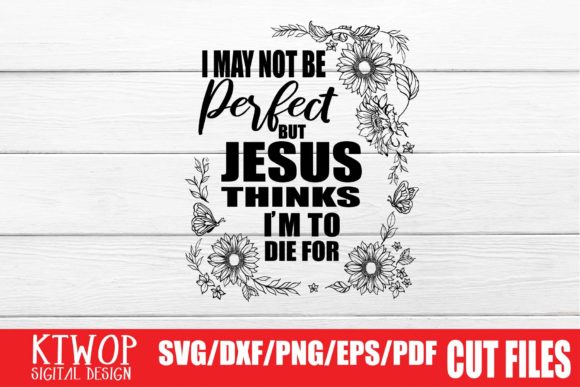
As a professional embroidery designer and product reviewer, I approach every new graphic with a critical eye toward stitchability. When evaluating I May Not Be Perfect but Jesus Thinks I m to Die for, my primary concern is how this sentiment translates from a digital screen to a tangible, stitched reality. This phrase carries significant emotional weight and humor, making it a popular choice for faith-based apparel and gifts. However, the length of the text and the specific wording require careful consideration regarding layout, legibility, and fabric compatibility before you commit to a production run or list a finished product in your shop.
First Impressions and Design Mood
The immediate impact of this design is one of humble confidence. It balances self-deprecating humor with profound spiritual assurance, creating a mood that is both relatable and uplifting. From a graphics perspective, the typography must carry this dual tone effectively. In reviewing the provided file types—SVG, DFX, EPS, PNG, and PDF—I look for clean vector lines that suggest the lettering will digitize well into either satin stitch or fill stitch columns. The visual personality of this design naturally leans toward casual, comfortable wear rather than formal ecclesiastical garments. It feels at home on soft cottons, fleece, and canvas, suggesting projects like sweatshirts, tote bags, and relaxed-fit tees rather than structured blazers or delicate linens.
For crafters and Etsy sellers, the strength of this design lies in its conversational nature. It invites engagement. Unlike generic religious symbols, this specific phrase tells a story about the wearer. As a designer, I appreciate that the message is long enough to require intentional spacing but short enough to fit within standard hoop sizes if formatted correctly. The challenge, and the opportunity, is ensuring the hierarchy of the text emphasizes "Jesus" and "Die For" while keeping the introductory clause legible but secondary.
Real-World Application: The Custom Sweatshirt Test
To truly evaluate this machine embroidery design, I mentally placed it in a real-life scenario: creating a custom embroidered sweatshirt for a church women’s retreat or a boutique holiday collection. Sweatshirt fleece is a common substrate for this type of message, but it presents specific challenges due to its texture and stretch.
In this application, I May Not Be Perfect but Jesus Thinks I m to Die for needs to be sized appropriately to avoid distortion. If the design is too wide for the chest area, it risks wrapping around the side seams or puckering across the bust line. I would recommend centering the design slightly higher than traditional placement to account for the drape of the garment. Because the phrase is text-heavy, using a bold, readable font style is non-negotiable. Thin, ornate scripts might get lost in the nap of the fleece or cause thread breaks during high-speed commercial embroidery.
Furthermore, when preparing this as a personalized gift or small shop product, consider the recipient's demographic. This design bridges generations; it appeals to younger believers who appreciate meme-culture honesty and older generations who value traditional testimony. For a handmade product listing, photographing this design on a model wearing the actual sweatshirt provides better customer trust than a flat-lay or digital mockup alone. Buyers need to see how the stitch density interacts with the fabric texture to gauge quality.
Navigating Fabric Constraints and Hoop Sizes
While versatile, this design requires caution on certain substrates. On textured fabrics like terry cloth towels or waffle-weave blankets, the smaller letters in "I May Not Be Perfect" may sink into the pile. In these cases, using a water-soluble topping is essential to keep the stitches visible. Conversely, on thin or stretchy fabrics like jersey knits for baby embroidery or lightweight tees, the stitch density becomes the critical factor. A dense fill stitch covering a large area can make the fabric stiff and unwearable. If the provided embroidery file allows for editing, reducing the density or utilizing running stitch outlines for the longer phrases can maintain garment drape.
Hoop size limitations are another practical consideration. This is a multi-line phrase. Attempting to squeeze it into a 4x4 hoop often results in illegible text or excessive resizing that distorts the aspect ratio. I strongly advise checking the dimensions of your specific embroidery file against your available hoops before purchasing or stitching. For cap embroidery, this design is likely too tall for the curved surface unless significantly re-digitized or split into two separate placements. Always test on scrap fabric first, especially when working with dark fabrics where thread color contrast determines readability. White or metallic thread on navy fleece creates a striking, professional look, whereas low-contrast combinations can render the detailed text invisible from a distance.
Commercial Viability and Product Value
For creative entrepreneurs and apparel decorators, the commercial viability of I May Not Be Perfect but Jesus Thinks I m to Die for is high, provided the execution is flawless. This phrase has strong keyword potential for Etsy sellers and digital product sellers targeting the Christian niche. However, buyer engagement depends heavily on presentation. When creating printable mockups or listing photos, ensure the design looks crisp. Blurry edges or poor digitizing in preview images signal low quality to savvy buyers.
If you are selling the digital embroidery file itself, transparency is key. Clearly state which formats are included (SVG, DFX, EPS, PNG, PDF) and remind customers to check software compatibility. Since photos on examples are not included with the base asset, creating your own high-quality sample stitch-outs adds immense value to your listing. It proves the design works. For those selling finished products, this design supports premium pricing if paired with high-quality blanks and professional finishing. It transforms a basic blank into a meaningful statement piece, increasing perceived value and giftability.
Essential Designer Notes for Success
Before loading this design into your machine or listing it in your shop, adhere to these professional best practices:
- Verify File Compatibility: The product includes SVG, DFX, EPS, PNG, and PDF files. Confirm these work with your specific digitizing software or cutting machine before starting. Not all machines read vector formats directly without conversion.
- Test Stitch Density: Run a test sew-out on the exact fabric you intend to use. Check for puckering, registration issues between text lines, and overall stability. Adjust stabilizer weight accordingly.
- Check Licensing Terms: While the file types are listed, specific commercial license terms for selling finished items versus reselling the digital file are not explicitly detailed in the provided description. Always confirm usage rights to protect your business.
- Evaluate Text Legibility: At smaller sizes, verify that the word "Perfect" and the phrase "Die For" remain distinct. If letters merge during stitching, increase the size or choose a simpler font variation.
- Contrast Testing: View the design in black and white to ensure the visual hierarchy holds up without relying solely on color differences. This ensures accessibility and clarity on various garment colors.
- Stabilizer Selection: Use cut-away stabilizer for stretchy knits and tear-away for stable wovens. For the tote bag design application, consider a fusible backing to prevent hoop burn and shifting.
Ultimately, I May Not Be Perfect but Jesus Thinks I m to Die for is a powerful addition to any crafter's library when treated with technical respect. By focusing on proper stabilization, appropriate sizing, and thoughtful fabric selection, you can transform this digital graphic into a cherished handmade product that resonates deeply with its audience. Whether used for a personal project, a holiday gift, or a core item in your commercial embroidery lineup, success lies in the details of execution.