Jesus Christian Graphics: Illustrations for Faith Brands
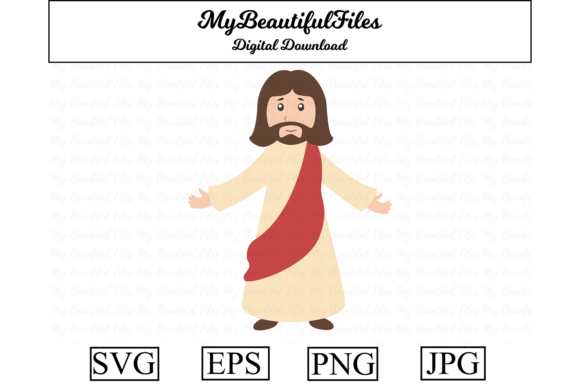
As a brand designer who frequently collaborates with faith-based organizations and lifestyle coaches, I approach religious imagery with a specific set of criteria. The visual tone must balance reverence with accessibility, especially when targeting younger demographics or modern digital audiences. When reviewing the Jesus Christian asset for a recent client campaign, my primary focus was on its versatility as a cartoon Jesus illustration for your project. This review breaks down how this specific graphic design asset performs in real-world marketing scenarios, from social media engagement to printable merchandise.
First Impressions: Emotional Tone and Audience Perception
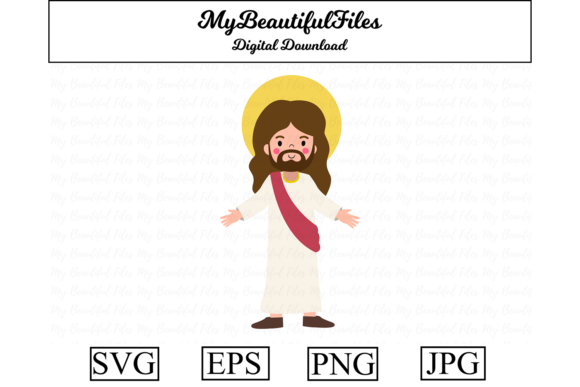
The immediate impact of the Jesus Christian illustration is one of warmth and approachability. In content marketing, we often struggle to find religious graphics that do not feel dated or overly stern. This asset succeeds because it utilizes a soft, cartoon aesthetic that lowers psychological barriers for the viewer. For a small business branding project focused on children’s ministry resources or casual devotional content, this mood is essential. It signals safety, joy, and inclusivity rather than dogma.
From a professional branding perspective, the lines are clean and intentional. It does not look like amateur clipart; it possesses the polish required for commercial design. The emotional tone suggests that this graphic design asset is best suited for brands that prioritize connection over formality. If your audience includes millennials, Gen Z parents, or creative entrepreneurs looking for modern design elements, this illustration aligns well with current visual trends while maintaining respectful iconography.
Strategic Application in Digital Campaigns and Social Media
In a recent campaign for an online Bible study launch, we tested this asset across multiple touchpoints. The availability of SVG design and PNG design files proved critical for workflow efficiency. Here is how the Jesus Christian graphic performed in specific digital environments:
- Social Media Graphics: On Instagram and Facebook, the cartoon style acted as a scroll-stopper. Unlike stock photography which can sometimes blend into the feed, this illustration created a distinct visual anchor. We used the PNG version with a transparent background to overlay text quotes, resulting in higher engagement rates than text-only posts.
- Pinterest Pins: Vertical pins require strong visual hierarchy. Placing this illustration at the top third of the pin provided immediate context. The bright, friendly colors associated with the asset helped increase click-through rates for blog traffic.
- Email Marketing Banners: We utilized the EPS format to scale the graphic for newsletter headers without pixelation. It added a human element to automated sequences, fostering better audience trust and open rates.
- Canva Template Integration: For clients managing their own content marketing, importing the SVG into Canva allowed for color adjustments to match their specific brand identity. This flexibility makes it a high-value addition to any design bundle.
Printable Design and Physical Product Merchandising
Beyond digital ads, this asset shines in physical applications. For creative entrepreneurs selling on Etsy or creating church merchandise, the vector nature of the file ensures crisp printing at any size. During a packaging design test for a subscription box, we found that the Jesus Christian illustration worked exceptionally well as a secondary pattern element or a sticker design.
For product label usage, particularly on journals, mugs, or tote bags, the cartoon style appeals to a niche market that prefers whimsy over traditional religious art. However, designers must be mindful of placement. As a central hero image on a t-shirt, it communicates a clear message. As a subtle watermark on stationery, it adds texture without overwhelming the writing space. The digital download include PNG, SVG, JPG EPS formats ensures that whether you are designing a massive banner or a tiny lapel pin, the integrity of the lines remains intact.
Where This Asset Elevates Brand Identity
This graphic design asset is most effective when used to soften a brand's voice or introduce narrative elements. It works beautifully in editorial design for newsletters, children’s book layouts, and event flyers for community gatherings. In these contexts, the illustration supports the copy rather than competing with it.
For web design, specifically on "About" pages or resource libraries, this asset helps humanize the organization. It reinforces the idea that faith is a living, joyful experience. In lead magnets like PDF guides or checklists, using this illustration as a decorative header breaks up dense text, improving readability and retention. It serves as a visual cue that the content is safe, curated, and professionally branded.
Navigating Limitations and Contextual Sensitivity
While versatile, the Jesus Christian asset requires careful deployment. As a brand strategist, I advise against using this cartoon style in highly formal corporate branding or crisis communication materials. The whimsical nature could be misinterpreted as trivializing serious theological topics or solemn occasions. It is not suitable for luxury high-end aesthetics where minimalism and abstraction are preferred.
Additionally, consider the density of information in your layout. Because this illustration has character and detail, it needs breathing room. Avoid placing it in small mobile graphics where facial features might blur, or in text-heavy ads where it creates visual clutter. Always check contrast; if your background is busy, the illustration may get lost. In these instances, opting for a simplified icon or typography might serve the visual hierarchy better. Professional branding relies on knowing when not to use an asset just as much as knowing when to use it.
Essential Designer Notes for Implementation
Before integrating this asset into paid campaigns or client work, run through this practical checklist to ensure professional results:
- Palette Testing: Test the illustration against your brand color palette. Since it is a cartoon, ensure the skin tones and clothing colors do not clash with your primary brand hues. Adjust saturation if necessary via the SVG file.
- Typography Pairing: This asset pairs best with rounded sans-serif fonts or playful handwritten scripts. Avoid rigid, sharp serifs that may conflict with the soft line work of the illustration.
- Monochrome Check: Verify how the graphic looks in solid black or white. A strong design asset must remain recognizable even without color, especially for single-color printing or embossing.
- Mobile Preview: Always preview social media graphics on a phone screen before publishing. Ensure the expression and details are legible at thumbnail size.
- Licensing Verification: Confirm the commercial license terms. If you are using this in a design bundle for resale or a large-scale ad campaign, ensure your usage rights cover these specific activities.
- Competitor Analysis: Compare your usage against similar brands in the creative marketplace. Ensure your application feels unique and doesn't simply replicate existing templates.
Ultimately, the Jesus Christian graphic is a robust tool for modern faith-based marketing. It bridges the gap between traditional messaging and contemporary digital aesthetics. By leveraging the included formats strategically and respecting the emotional weight of the imagery, brand owners and content creators can build campaigns that are both visually engaging and spiritually resonant. Whether for a seasonal offer, a new product launch, or a consistent social media presence, this asset offers the flexibility needed for dynamic storytelling.