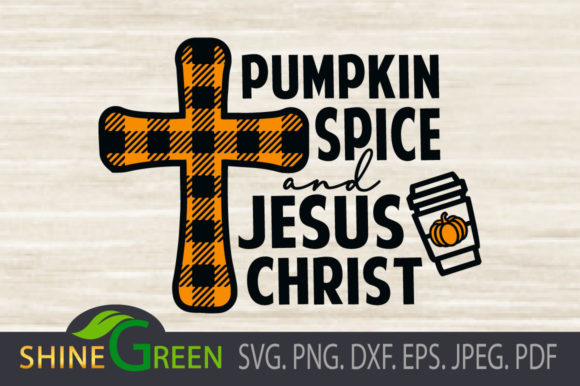
Fall Pumpkin Spice Jesus Plaid Design Review
As a professional embroidery designer and product reviewer, I approach every new graphic with a critical eye toward stitchability. When evaluating the Fall - Pumpkin Spice Jesus Christ Plaid design, my first thought isn't just about the aesthetic appeal of the buffalo check pattern or the seasonal sentiment; it is about how this digital asset translates from screen to fabric. This review breaks down the practical realities of using this specific artwork for machine embroidery projects, focusing on technical performance, commercial viability, and real-world application for makers and shop owners.
First Impressions: Balancing Faith and Fall Aesthetics
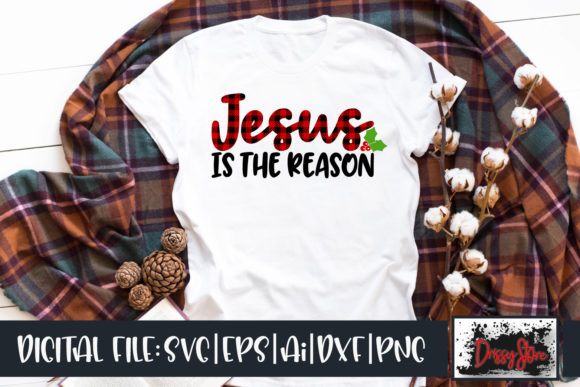
The visual personality of Fall - Pumpkin Spice Jesus Christ Plaid strikes a distinct balance between cozy autumn nostalgia and faith-based messaging. The integration of the classic buffalo plaid motif provides a structured, geometric background that contrasts beautifully with organic lettering or religious iconography. From a design perspective, this juxtaposition creates immediate visual interest. The plaid offers a familiar texture that customers associate with warmth and tradition, while the text anchors the piece in its intended niche.
For an embroidery digitizer or crafter, the layout suggests versatility. It does not feel overly cluttered, which is a common pitfall in seasonal graphics. The negative space appears sufficient to allow for clean stitching without excessive density. However, because this product is listed under Graphics and Crafts as an SVG, PNG, DXF, and EPS package, it is crucial to understand that you are likely working with a vector or raster source rather than a pre-digitized embroidery file. This distinction matters immensely. You will need to digitize this artwork yourself or hire a digitizer to convert these crisp lines into satin stitches, fill stitches, and running stitches suitable for your specific hoop size and fabric choice.
Real-World Application: The Custom Sweatshirt Test
To truly evaluate this design, I mentally placed it in a high-demand scenario: creating a custom embroidered sweatshirt for a boutique fall collection. Sweatshirts are a staple for Etsy sellers and small shops during the autumn season, but they present unique challenges due to fleece texture and fabric stretch.
In this context, Fall - Pumpkin Spice Jesus Christ Plaid performs well conceptually because the bold plaid elements can be executed as appliqué designs. Using fabric appliqué for the plaid sections significantly reduces stitch count compared to filling the entire checkered pattern with thread. This keeps the garment soft and wearable, avoiding the "bulletproof vest" effect that dense embroidery can cause on apparel. For the "Jesus Christ" and "Pumpkin Spice" text elements, a combination of satin stitch for smaller letters and fill stitch for larger block text would ensure legibility against the napped surface of a sweatshirt.
From a customer reaction standpoint, this design targets a very specific emotional intersection. Buyers looking for faith-based holiday merchandise often want something that feels modern yet traditional. The plaid satisfies the trend requirement, while the religious text fulfills the personal value requirement. As a finished product, this combination signals high perceived value because it looks intentional and curated rather than generic.
Technical Considerations for Stitching Success
While the design is visually strong, certain applications require caution. If you plan to use Fall - Pumpkin Spice Jesus Christ Plaid on items like tea towels or kitchen linens, be mindful of stitch density. Plaid patterns can become incredibly dense if digitized entirely as thread. On thin cotton or linen, this density can cause puckering or even tear the fabric. Always test on scrap fabric first and adjust your stabilizer strategy accordingly. A medium-weight cutaway stabilizer is often necessary for apparel, while tear-away may suffice for stable woven fabrics like tote bags.
Small hoop sizes present another challenge. Intricate plaid details and script lettering can lose definition when scaled down below four inches. If you intend to make baby embroidery items or hat patches, you may need to simplify the design. Remove secondary decorative elements and focus solely on the core text and a simplified plaid accent. Tiny lettering in this theme risks becoming illegible once stitched, especially if the thread tension isn't perfect.
Furthermore, consider the fabric texture. Buffalo plaid relies on sharp color transitions. On highly textured fabrics like terry cloth or boucle, those sharp edges can get lost. In such cases, adding a running stitch border or a knockdown stitch underneath the design area helps create a smooth canvas for the embroidery, ensuring the Fall - Pumpkin Spice Jesus Christ Plaid graphic remains crisp and recognizable.
Commercial Viability for Makers and Sellers
For Etsy sellers and creative entrepreneurs, time is money. Because this asset comes as a zipped folder containing SVG, PNG, DXF, and EPS files, it serves multiple revenue streams beyond just embroidery. The PNG transparency makes it excellent for printable mockups. Before you commit to stitching a sample, place the PNG over a digital sweatshirt template to verify placement and scale. This step saves thread and stabilizer by allowing you to spot potential layout issues virtually.
When listing finished products made with this design, emphasize the handmade nature of the embroidery. Customers trust sellers who demonstrate technical competence. Mentioning that you tested the stitch density or selected specific thread colors to match the plaid accurately adds professionalism to your listing. Also, verify the licensing terms included in your download. While the formats suggest commercial usability for physical products, some designers restrict the sale of digital embroidery files derived from their vectors. Always confirm whether you can sell the digitized version or only the physical embroidered goods.
Designer Notes for Optimal Results
Before launching this design into production, adhere to these practical guidelines to ensure quality and consistency:
- Digitizing Check: Since this is a graphic file, verify your digitizing software settings. Auto-digitizing features often struggle with plaid patterns, creating messy jump stitches. Manual digitizing or careful editing is usually required to maintain the clean geometry of the buffalo check.
- Thread Color Contrast: Traditional buffalo plaid uses red and black or orange and brown. Ensure your thread colors have enough contrast against your base fabric. Test on both light and dark backgrounds, as the same thread can look vastly different depending on what is behind it.
- Stabilizer Selection: Do not rely on a single stabilizer type. Keep water-soluble topping handy for fleece and towels to prevent stitches from sinking into the pile. Use fusible mesh for stretchy knits to prevent distortion during hooping.
- Mockup Testing: Use the provided PNG to create black and white mockups. This reveals whether the design relies too heavily on color contrast or if the values hold up in grayscale, which is important for accessibility and print marketing materials.
- Washability: If making items for frequent washing like aprons or baby clothes, secure all appliqué edges with a tight satin or zigzag stitch. Raw edge appliqué looks trendy but may fray prematurely on utilitarian items.
Elevating Your Autumn Collection
Fall - Pumpkin Spice Jesus Christ Plaid represents more than just a seasonal graphic; it is a versatile foundation for meaningful, marketable embroidery projects. Whether you are crafting personalized gifts for church groups, stocking your online shop with autumn apparel, or designing custom patches for a local event, this design offers the right mix of trendiness and timelessness. By approaching the digitizing and stitching process with technical mindfulness and respecting the limitations of various fabrics, you can transform these vector files into high-quality embroidered goods that resonate deeply with your audience. Remember that successful embroidery is where artistic vision meets mechanical precision, so take the time to test, adjust, and perfect your execution before offering the final product to your customers.