Faith in Jesus Graphics for Editorial Crafts
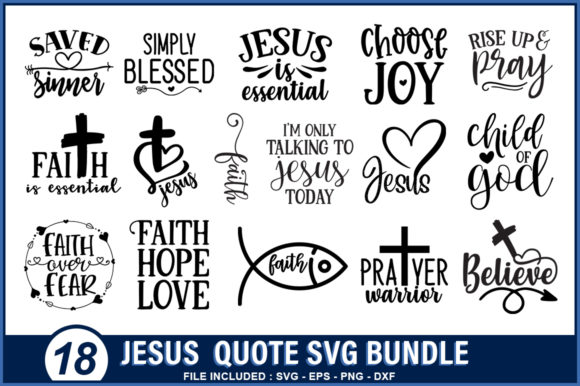
As a digital publisher and blog designer, I constantly evaluate visual assets not just for their aesthetic appeal, but for their functional utility in a real content workflow. When reviewing the Faith in Jesus collection, my primary focus is how these visuals translate from raw files to polished editorial elements that drive engagement. First impressions matter immensely in content marketing; this asset immediately establishes a mood that is both reverent and accessible. It avoids the overly ornate clutter that often plagues religious niches, leaning instead toward a clean, modern design sensibility that feels lifestyle-focused and feminine without being juvenile. This balance is critical for publishers targeting an audience that values both spiritual depth and contemporary web design standards.
The editorial mood created by this graphic design asset suggests warmth and authenticity. For a faith-based blog or newsletter, this visual tone supports reader trust by signaling professionalism rather than amateurism. It naturally fits content niches involving devotional reading, women’s ministry resources, seasonal religious observances, and personal testimony articles. Unlike generic clip art, these graphics possess enough visual weight to serve as primary focal points in article headers or social media graphics, yet they remain versatile enough to function as subtle accents in longer-form text.
Integrating Visual Assets into Publishing Workflows
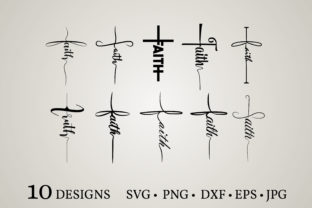
In a real publishing scenario, versatility is the metric of value. The Faith in Jesus package delivers significant utility through its comprehensive file formats. You will receive 10 SVG files, 10 DXF files, 10 PNG files, 10 EPS files, and 10 JPG files. This variety ensures that whether you are designing a website header in Adobe Illustrator, creating a Pinterest pin in Canva, or preparing a printable design for a digital download shop, you have the correct source material. The inclusion of SVG and DXF files specifically caters to creators who bridge the gap between digital content and physical crafts, allowing for seamless integration with cutting machines for merchandise or event decor.
For digital marketers and bloggers, the PNG and JPG formats are the workhorses of daily content creation. I have found these particularly effective for:
- Blog Featured Images: Using the high-resolution PNGs as background elements with overlaid typography creates clickable thumbnails that stand out in RSS feeds and category archives.
- Pinterest Pins: The vertical composition potential of these graphics makes them ideal for long-form pins. They provide a strong visual anchor that stops the scroll, essential for driving traffic to affiliate marketing posts or devotional guides.
- Lead Magnets and Digital Guides: When creating eBook covers or worksheet headers, the EPS and SVG files allow for infinite scaling without pixelation, ensuring your downloadable resources look premium and professional.
- Newsletter Banners: Consistent branding across email platforms builds recognition. These graphics serve as excellent header images that reinforce brand identity before the subscriber even reads the first line of copy.
- Social Media Graphics: For Instagram stories or Facebook posts, the pre-sized JPG options offer quick deployment for daily encouragement posts, reducing the friction of content creation.
Enhancing Content Performance Through Design
Visual hierarchy is not merely an artistic concept; it is a conversion tool. The Faith in Jesus assets support stronger content performance by providing clear focal points that guide the reader’s eye. In web design, a well-placed graphic breaks up dense text, reducing bounce rates and increasing time-on-page. From an SEO perspective, engaging visuals encourage social sharing and backlinks, which indirectly boosts search rankings. Furthermore, consistent use of these design assets across your platform strengthens brand identity. Readers begin to associate this specific visual style with your voice, fostering a deeper sense of community and loyalty.
Trust is another tangible benefit. In the faith niche, readers are often seeking safety and reliability. High-quality, intentional creative design signals that the publisher cares about the details, which translates to perceived authority on the subject matter. Whether used in a media kit to attract sponsors or on an affiliate product review page, polished visuals reduce skepticism and improve click-through potential.
Optimal Placement and Strategic Caution
While versatile, knowing where to deploy these graphics is key to maintaining editorial integrity. They perform exceptionally well as hero images for devotional posts, category thumbnails for "Faith" or "Lifestyle" sections, and as decorative dividers in long-form articles. They are also highly effective in commercial design contexts, such as promoting a paid course or a printable Bible study journal.
However, publishers must exercise discernment. Avoid using intricate versions of these graphics as small mobile thumbnails where detail is lost. Be cautious when placing them against low-contrast backgrounds or within already busy layouts; negative space is essential for readability. Additionally, while the style is modern, ensure it aligns with your specific tone. If your site focuses on academic theology or corporate church administration, a more minimalist or typographic approach might be preferable. Always prioritize legibility over decoration.
Publisher Notes: Technical Quality and Licensing
Before integrating any graphic design asset into a monetized workflow, due diligence is required. Based on my review of the Faith in Jesus collection, here are practical steps for implementation:
- Cross-Device Testing: Always preview your featured images on both desktop and mobile screens. What looks balanced on a monitor may appear cropped or cluttered on a phone. Ensure the core message of the graphic remains visible at all sizes.
- Typography Pairing: Test the graphics alongside various font families. I found they pair beautifully with elegant serif fonts for a traditional editorial look, as well as clean sans-serif typefaces for a modern blog aesthetic. Handwritten scripts can add a personal touch but should be used sparingly to maintain professional polish.
- Web Performance: While the provided PNG and JPG files are high quality, always compress images before uploading to your CMS. Large file sizes slow down page load times, negatively impacting user experience and SEO. Use tools like TinyPNG or ShortPixel to optimize without sacrificing visual clarity.
- Contrast Checks: Ensure sufficient contrast between the graphic and any overlay text. Accessibility is a component of good web design; use dark overlays or light text shadows if necessary to maintain WCAG compliance.
- Licensing Verification: Crucially, confirm the commercial license terms included with your digital download. Before using these assets on affiliate pages, in paid digital products, or in client work, verify that your usage tier permits it. Ethical publishing respects creator rights and protects your business from legal risk.
Ultimately, the Faith in Jesus collection represents a valuable addition to the creative marketplace for faith-based publishers. It bridges the divide between spiritual expression and professional digital publishing requirements. By leveraging these assets strategically—respecting visual hierarchy, optimizing for web performance, and maintaining brand consistency—you can elevate your content from simple text to a compelling visual experience that resonates deeply with your audience. Whether you are crafting a new lead magnet, refreshing your blog graphics, or expanding into printable design, this asset provides the foundational quality needed to build trust and engagement in a crowded digital landscape.